The Role of Light Weight Aluminum Shop in Different Industries: Applications and Maintenance Insights
Light weight aluminum foundries are crucial in multiple markets, giving durable and light-weight parts that significantly affect product performance. Their applications cover from auto engine obstructs to aerospace architectural components. The performance of these factories counts heavily on rigid upkeep methods and the combination of advanced innovations. Comprehending these characteristics exposes an intricate interaction of technology and tradition, triggering more expedition into the future trends shaping this essential market.
Review of Light Weight Aluminum Foundries and Their Procedures
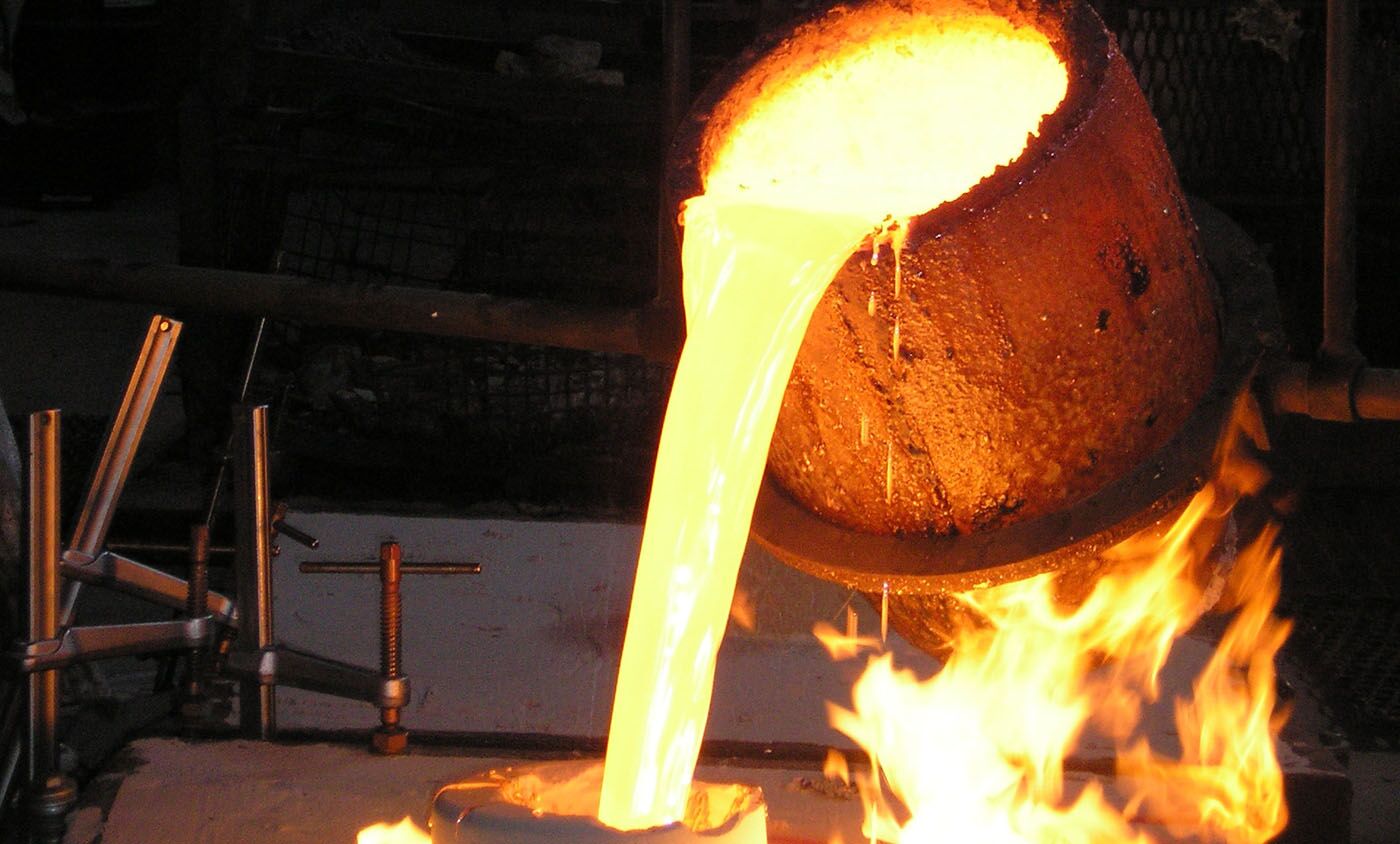
Light weight aluminum shops play an indispensable role in the manufacturing field, focusing on the spreading of light weight aluminum components. These centers employ numerous procedures to transform raw aluminum into ended up products, beginning with melting scrap or ingots in high-temperature heating systems. When thawed, the light weight aluminum is put into mold and mildews, which can be made from metal, sand, or ceramic, relying on the wanted coating and application.
After cooling, the cast elements undertake extra processes such as cutting, machining, and surface area finishing to meet specific tolerances and visual demands. Aluminum Casting. Quality assurance is critical; shops execute extensive screening methods to ascertain that the last products fulfill market standards
The versatility of aluminum as a material enables for a variety of elements and styles, making foundries essential for numerous industries. Their proficiency in managing aluminum guarantees that makers obtain top quality components vital for subsequent assembly and usage.
Applications in the Automotive Sector
While the auto industry increasingly seeks lightweight materials to boost gas efficiency and performance, light weight aluminum shops have ended up being essential providers of various components. These factories generate vital components such as engine blocks, transmission housings, and wheels, which add to lowered lorry weight and enhanced handling. The flexibility of aluminum permits for complicated geometries, making it suitable for detailed styles in both architectural and visual applications.
In addition, aluminum castings are preferred for their exceptional rust resistance and recyclability, straightening with the industry's sustainability objectives. Using aluminum in electric vehicles is additionally increasing, as it supports efficient battery layouts and thermal management systems. With continual advancements in casting modern technologies, light weight aluminum shops are outfitted to fulfill the ever-evolving demands of the automotive field, making sure that manufacturers can deliver high-performance lorries that fulfill customer assumptions for effectiveness and sustainability.
Aerospace Market Use of Aluminum Castings
The aerospace industry increasingly counts on aluminum spreadings for a variety of essential applications, driven by the demand for high-strength and light-weight products. Aluminum spreadings play a critical role in manufacturing elements such as engine installs, braces, and structural airframe parts. The intrinsic residential or commercial properties of light weight aluminum, including excellent deterioration resistance and fatigue stamina, make it a perfect option for aerospace applications, where efficiency and safety and security are paramount.
In addition, aluminum castings facilitate elaborate styles and geometries that can boost wind resistant efficiency. The capacity to produce intricate shapes while decreasing weight is essential in optimizing fuel performance and overall airplane efficiency. Suppliers utilize advanced casting methods such as sand and pass away casting to attain the called for accuracy and high quality. In addition, the recyclability of aluminum aligns with the industry's sustainability objectives, better solidifying its value in aerospace. As technology developments, the utilization of aluminum spreadings is expected to expand, satisfying the evolving needs of the aerospace industry.
Building Sector and Light Weight Aluminum Foundries
In the building market, light weight aluminum factories play a significant role by giving materials that improve architectural honesty and lower total weight in building tasks. Aluminum castings are preferred for their strength-to-weight proportion, making them ideal for numerous applications, consisting of windows, doors, and architectural parts. The light-weight nature of light weight aluminum not just assists in less complicated handling and transportation but additionally adds to energy effectiveness in structures.
Aluminum's resistance to rust guarantees durability and lowers maintenance expenses, which is vital for framework jobs. Factories produce customized parts tailored to particular architectural layouts, permitting for ingenious construction remedies. Additionally, advancements in light weight aluminum alloy modern technology have broadened the variety of applications, enabling making use of aluminum in high-stress atmospheres. By sustaining sustainable building methods, light weight aluminum shops contribute to the general efficiency and toughness of building and construction projects, making them indispensable companions in the sector.
Durable Goods and House Applications
Aluminum shops substantially add to the consumer products sector by producing a range of house items that incorporate functionality with visual allure. From cookware to home style, aluminum functions as a flexible product, ensuring items are both light-weight and resilient. Popular things include kitchenware, such as frying pans and pots, which take advantage of light weight aluminum's excellent thermal conductivity, making food preparation a lot more effective.
In addition, light weight aluminum's deterioration resistance boosts the longevity of family items, reducing the requirement for regular replacements. Ornamental elements, such as aluminum picture frameworks and lights, display the metal's ability to be formed into elaborate designs while maintaining a modern visual.
Additionally, the green nature of aluminum, being recyclable, lines up with customer preferences for sustainable products. Light weight aluminum foundries play an essential role in fulfilling the diverse requirements of households, providing necessary items that enhance day-to-day living while resolving environmental worries.
Maintenance Ideal Practices for Spreading Devices
Efficient upkeep of casting devices is vital for peak efficiency and durability. Normal equipment examinations, appropriate lubrication and cleaning, and thorough operator training programs are essential parts of an effective maintenance method. Implementing these ideal techniques can greatly decrease downtime and boost overall manufacturing effectiveness in light weight aluminum foundries.
Normal Tools Evaluations
Routine tools inspections play a crucial duty in keeping the performance and security of casting procedures. These assessments include go an organized assessment of tools to identify wear, damages, or potential failings before they intensify into pricey breakdowns. By adhering to a regular inspection schedule, shops can establish that all casting equipment runs at peak efficiency, therefore decreasing downtime and making the most of efficiency. Inspections must encompass essential elements such as mold and mildews, heating systems, and cooling down systems, permitting for the prompt replacement or repair service of parts. Furthermore, paperwork of inspection searchings for is important for tracking devices history and informing future upkeep choices. Eventually, normal assessments add substantially to the long life of tools and the overall success of light weight aluminum factory operations.
Lubrication and Cleansing
Proper lubrication and cleansing are vital elements of upkeep techniques for casting devices in shops. Regular lubrication reduces wear and tear on machinery, guaranteeing that elements run smoothly and efficiently. It is vital to utilize the proper lubricants defined by producers, as different tools might require different substances to work at peak performance.
Cleaning devices eliminates contaminants and particles that can conflict with procedures and result in defects in castings. Arranged cleaning routines must be developed to stop build-up and lengthen devices life. Additionally, operators must follow safety and security procedures while taking care of cleaning up representatives to keep a safe workplace. By focusing on lubrication and cleaning, shops can enhance the dependability and performance of their spreading devices, ultimately contributing to better manufacturing high quality.
Operator Training Programs
While maintaining casting devices is essential for excellent efficiency, extensive operator training programs play a significant duty in ensuring that personnel are well-equipped to handle maintenance tasks efficiently. These programs must concentrate on the particular operational elements of light weight aluminum factory equipment, including safety browse around this web-site and security procedures, repairing techniques, and regular upkeep treatments. By giving hands-on training and substantial theoretical expertise, drivers can develop a much deeper understanding of equipment functionality and potential issues. Normal analyses and correspondence course can improve ability retention and adjust to technological improvements. Inevitably, buying driver training not just increases general manufacturing performance but additionally minimizes downtime, leading to enhanced safety and security and long term devices lifespan in the light weight aluminum foundry market.
Future Fads in Aluminum Factory Applications
The future of aluminum factory applications is poised for transformation via innovative casting modern technologies that enhance performance and precision. Furthermore, sustainable manufacturing methods are getting grip, reflecting a growing dedication to environmental responsibility within the industry. Moreover, the combination of Sector 4.0 principles is readied to reinvent operations, allowing smarter producing procedures and real-time information usage.
Advanced Casting Technologies
Technologies in innovative casting innovations are poised to transform aluminum foundry applications, driving performance and precision in the manufacturing procedure. Techniques such as 3D printing and progressed die-casting are acquiring traction, enabling the production of intricate geometries that standard techniques battle to attain. In addition, the integration of automation and AI in the casting process enhances high quality control and reduces product waste. These innovations assist in rapid prototyping, enabling quicker layout models and minimized time-to-market. Advancements in mold materials and cooling systems improve thermal management, guaranteeing regular component top quality. As markets require lighter, more powerful components, these innovative casting innovations are becoming necessary in markets such as vehicle, aerospace, and electronic devices, positioning aluminum shops at the leading edge of technology.

Sustainable Production Practices
Advanced casting innovations not only enhance effectiveness and accuracy yet also lead the way for lasting production methods in aluminum foundries. These practices concentrate on lowering waste, energy usage, and discharges throughout the production process. The fostering of recycled aluminum is progressively prioritized, minimizing the need for primary steel removal and reducing the environmental impact. Additionally, advancements in mold products and cooling strategies add to power cost savings and faster production cycles. Applying closed-loop water systems additionally sustains sustainability by decreasing water usage and avoiding pollution. As foundries welcome these green techniques, they not just conform with regulations but additionally fulfill the expanding need for sustainable products across different markets, enhancing great site their dedication to environmental stewardship.
Market 4.0 Integration
As aluminum shops progressively embrace Market 4.0 combination, they are leveraging smart technologies to optimize production processes and enhance functional efficiency. The fostering of IoT tools makes it possible for real-time surveillance of devices and production metrics, helping with predictive maintenance and minimizing downtime. Advanced data analytics and expert system permit boosted decision-making, resulting in a lot more exact casting and reduced waste. Robotics and automation streamline recurring jobs, boosting labor performance. Furthermore, electronic doubles enable digital simulations of shop procedures, assisting in procedure optimization and design enhancements. This assimilation not just boosts efficiency however additionally sustains sustainability campaigns by decreasing power consumption and source usage, placing light weight aluminum factories to satisfy the advancing needs of different markets in an open market landscape.
Regularly Asked Questions
What Are the Ecological Effects of Light Weight Aluminum Foundries?
Light weight aluminum shops add to ecological effects through greenhouse gas emissions, power usage, and waste generation. Additionally, they may present risks of air and water contamination, demanding efficient monitoring practices to minimize these unfavorable results.
Just How Do Aluminum Foundries Ensure Product Top Quality?
Aluminum shops guarantee item high quality via rigorous quality control actions, consisting of product assessments, precise temperature level surveillance, and adherence to sector standards. Continuous training of personnel and application of advanced innovations further enhance the uniformity of their result.
What Security Steps Are in Location in Aluminum Foundries?
Aluminum shops apply precaution including safety gear for workers, emergency situation action strategies, ventilation systems to decrease fumes, routine security training, and adherence to sector guidelines to ensure a safe working atmosphere and avoid mishaps.
Just How Do Foundries Take Care Of Waste and Recycling?
Shops handle waste and recycling by executing systems for accumulating scrap aluminum, reusing materials, and adhering to ecological policies. They prioritize decreasing waste with effective procedures and buying innovation for effective reusing initiatives.
What Accreditations Are Pertinent for Aluminum Foundries?
Pertinent certifications for aluminum foundries include ISO 9001 for quality administration, ISO 14001 for environmental management, and AS9100 for aerospace standards. These certifications assure conformity, improve quality assurance, and advertise lasting techniques within the factory procedures.
Aluminum factories play an essential role in the production sector, specializing in the casting of aluminum elements. While the auto sector progressively seeks lightweight products to improve fuel effectiveness and performance, light weight aluminum foundries have ended up being necessary providers of different components. Additionally, improvements in light weight aluminum alloy innovation have expanded the range of applications, allowing the usage of light weight aluminum in high-stress atmospheres. The future of light weight aluminum shop applications is positioned for transformation with innovative casting technologies that enhance efficiency and accuracy. As aluminum foundries significantly welcome Industry 4.0 assimilation, they are leveraging smart innovations to enhance manufacturing processes and enhance functional efficiency.
Comments on “Aluminum Casting and its impact in sustainable manufacturing”